How to Know If Disposable Vapes Are Safer Than Cigarettes

Time:2026-09-12 Author:Aria
0%

The question “is disposable vape safer than cigarettes” deserves a careful, evidence-based answer. It cannot be settled by packaging, flavor, or a smooth sensation. Cigarette smoke contains thousands of chemicals, including many linked with cancer and heart disease. Disposable vapes usually produce fewer toxic substances because they do not burn tobacco. However, lower exposure does not mean no exposure.

Deborah Arnott, chief executive of Action on Smoking and Health, has said, “Vaping is not risk-free, but it is substantially less harmful than smoking.” Her statement reflects an important distinction. For adults who already smoke, switching completely may reduce exposure to several harmful chemicals. Continuing to smoke while vaping can weaken that potential benefit. The comparison changes when the user is a nonsmoker, a young person, or someone sensitive to nicotine.

Look at the details.

This guide examines nicotine strength, ingredient transparency, product testing, device quality, and credible health evidence. It also considers practical experience, such as coughing, throat irritation, dizziness, or worsening dependence. No single product is automatically safe. Some disposable devices may have inconsistent labeling or limited independent testing. Evidence also continues to develop, so confident claims deserve scrutiny.

A responsible assessment separates relative risk from personal safety. It avoids presenting vaping as harmless or as a universal quitting method. It also recognizes an uncomfortable limitation: long-term health effects remain less certain than the harms of smoking. Readers should check current guidance from qualified health authorities and discuss nicotine use with a healthcare professional. The clearest health choice remains avoiding both products, but the risk comparison matters for current smokers making informed decisions.
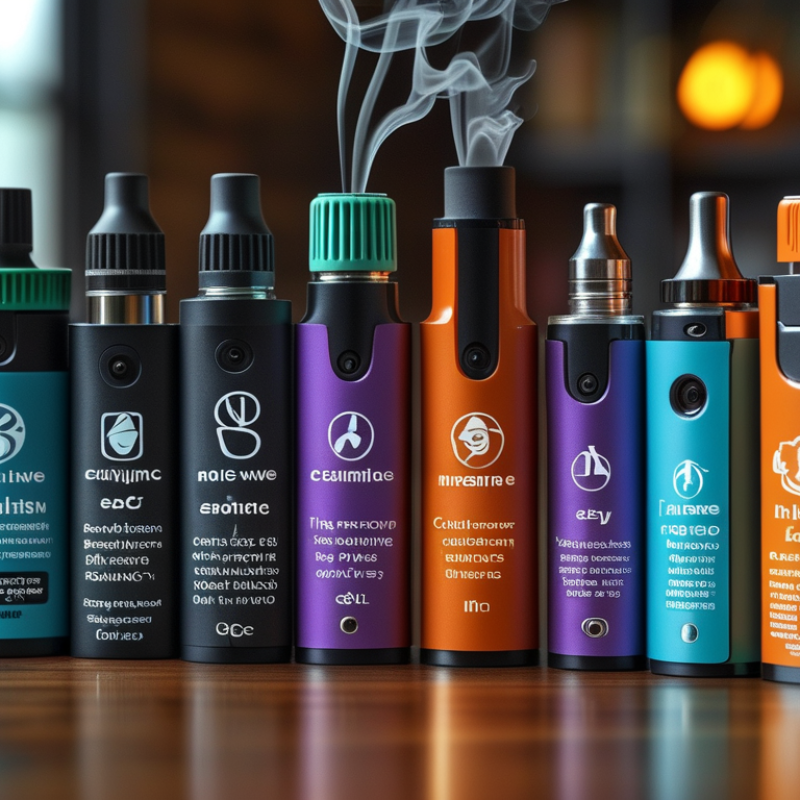
How to Know If Disposable Vapes Are Safer Than Cigarettes

What Disposable Vapes and Cigarettes Contain

How to Know If Disposable Vapes Are Safer Than Cigarettes

Cigarettes contain tobacco, nicotine, tar, and carbon monoxide. Burning tobacco creates thousands of chemicals, including many linked to cancer and lung disease. Cigarette smoke also leaves a sharp smell on clothing and yellow residue on nearby surfaces. Disposable vapes do not burn tobacco. Instead, they heat a liquid containing nicotine, solvents, flavorings, and other additives. Their aerosol may contain tiny particles, irritants, and trace metals from the heating device. Less smoke does not mean harmless.

The contents can vary between products and even between batches. Labels may not fully explain nicotine strength or every chemical present. That uncertainty matters. Public health experts generally consider vaping less harmful than smoking for adults who already smoke, but not risk-free. Non-smokers, teenagers, and pregnant people should avoid nicotine exposure. Nicotine can cause dependence, and withdrawal may bring irritability, cravings, and poor concentration. I used to think a sweet scent meant a cleaner product. That assumption was wrong.

Tips: Read the ingredient and nicotine information carefully. Avoid products with unclear labeling or damaged packaging. Do not combine vaping with cigarettes without a clear plan to reduce smoking. Watch for coughing, chest pain, dizziness, or breathing difficulty, and seek medical advice when these symptoms appear. Keep devices away from children and pets. A healthcare professional can offer more reliable quitting support than online claims.

How Exposure to Harmful Chemicals Differs

How to Know If Disposable Vapes Are Safer Than Cigarettes

How Exposure to Harmful Chemicals Differs

Cigarettes burn tobacco, creating smoke with thousands of chemicals. Many are toxic, and several can damage DNA or promote cancer. Burning also produces carbon monoxide, which reduces oxygen delivery in the body. The smell clings to clothing, curtains, and hair. That residue reflects only part of the exposure.

Disposable vapes do not burn tobacco. Their aerosol usually contains nicotine, solvents, flavoring chemicals, and tiny particles. Testing has also found metals in some aerosols, sometimes from the heating element. A harsh, burnt taste may signal overheating, but it does not prove safety. Exposure can change with battery power, liquid ingredients, and puffing habits.

The comparison is not perfectly clean. Current toxicology evidence generally shows fewer and lower levels of many harmful chemicals in vape aerosol than in cigarette smoke. That does not make vaping harmless or risk-free. Some chemicals remain poorly studied after years of repeated inhalation. Long-term evidence is still developing.

People often focus on the visible cloud. The invisible chemicals matter more. Smoke from one cigarette contains combustion products that aerosol usually avoids, yet vape users may inhale frequently throughout the day. That pattern can increase nicotine exposure and prolong contact with irritants. A careful answer must admit uncertainty: lower exposure to some toxins is not the same as proven safety.

How to Know If Disposable Vapes Are Safer Than Cigarettes - How Exposure to Harmful Chemicals Differs

Exposure Dimension Combustible Cigarettes Disposable Vapes What the Evidence Suggests
Combustion Burning tobacco creates smoke containing thousands of chemicals, including many toxic and cancer-causing substances. The liquid is heated to produce an aerosol rather than being burned. Avoiding tobacco combustion generally reduces exposure to many smoke-related toxicants, but it does not make vaping harmless.
Carbon Monoxide A major component of cigarette smoke that reduces the blood’s oxygen-carrying capacity. Generally absent or present at much lower levels because there is no tobacco combustion. Vaping usually produces substantially less carbon monoxide than smoking, although product misuse or contamination can affect emissions.
Tar and Combustion Particles Produces tar, soot, and fine particles that can penetrate deep into the lungs. Does not produce cigarette tar, but the aerosol contains fine and ultrafine particles. The particle mixture differs substantially, but inhaled vape aerosol can still irritate and affect the respiratory system.
Nicotine Usually delivers nicotine rapidly and can cause strong dependence. Many disposable vapes contain nicotine, sometimes at high concentrations, and can also cause dependence. Lower exposure to smoke chemicals does not mean lower addiction risk. Nicotine can affect adolescent brain development and pregnancy.
Tobacco-Specific Nitrosamines Contains tobacco-specific nitrosamines, including carcinogenic compounds such as NNK and NNN. May contain these compounds at lower levels when tobacco is not burned, but levels vary by liquid, device, and manufacturing quality. Exposure is generally expected to be lower than from cigarette smoke, not eliminated.
Aldehydes: Formaldehyde and Acrolein Produced in cigarette smoke and associated with respiratory irritation and other harmful effects. Can form when propylene glycol, vegetable glycerin, or flavoring ingredients are overheated. Usually lower than cigarette smoke under typical conditions, but higher emissions may occur with overheating, high power, or a dry wick.
Volatile Organic Compounds Contains numerous volatile organic compounds, including benzene and 1,3-butadiene. May emit volatile compounds from solvents, flavorings, thermal degradation, or contamination. Exposure is generally lower for many compounds than in cigarette smoke, but the exact level depends on the device and usage pattern.
Metals Smoke can contain toxic metals such as cadmium, lead, and chromium from tobacco and combustion. Aerosol may contain metals released from heating coils, solder, or other device components. Vaping may reduce exposure to some tobacco-related metals, but metal exposure remains possible and can vary considerably between devices.
Flavoring Chemicals Smoke contains chemicals from tobacco, additives, paper, and combustion. May contain flavoring substances that are safe to eat but have not necessarily been proven safe to inhale repeatedly. Inhalation safety cannot be inferred from food safety. Flavorings may contribute to airway irritation or chemical exposure.
Secondhand Exposure Environmental tobacco smoke contains smoke particles, nicotine, carbon monoxide, and other harmful chemicals. Exhaled aerosol can contain nicotine, particles, and other chemicals, although usually at lower concentrations than cigarette smoke. Vaping may reduce—but does not eliminate—exposure for people nearby. Avoid use around children, pregnant people, and individuals with respiratory disease.
Long-Term Health Evidence The long-term links between smoking and cancer, chronic obstructive pulmonary disease, cardiovascular disease, and premature death are well established. Long-term effects are still being studied. Evidence indicates respiratory and cardiovascular risks, but the full lifetime risk is not yet known. Vaping may be less harmful than smoking for adults who switch completely, but it is not risk-free and is not recommended for non-smokers.
Overall Exposure Assessment Highest overall exposure to combustion-related toxicants. Generally lower exposure to many harmful chemicals than smoking, but exposure remains variable and potentially harmful. The potential harm-reduction benefit applies mainly when an adult smoker switches completely; using both products may preserve substantial smoking-related exposure.

Important: “Safer than cigarettes” does not mean safe. Exposure varies with device design, liquid ingredients, battery power, heating temperature, puff duration, and product quality. The safest option is to use neither cigarettes nor disposable vapes.

Comparing Health Risks and Addiction Potential

Disposable vapes may expose users to fewer toxic chemicals than cigarettes, but “safer” does not mean safe.

Combustible cigarette smoke contains thousands of chemicals, including many linked to cancer and heart disease. The Centers for Disease Control and Prevention reports that smoking causes more than 480,000 deaths annually in the United States. The National Academies of Sciences, Engineering, and Medicine found that e-cigarette aerosol generally contains fewer toxic substances than cigarette smoke. Long-term effects remain uncertain.

Nicotine changes the comparison. Most disposable vapes contain nicotine, which can create dependence and withdrawal symptoms.

Some devices deliver nicotine efficiently, especially when users take frequent, discreet puffs. That pattern can make consumption difficult to measure. The CDC identifies nicotine as highly addictive, while the U.S. Food and Drug Administration states that no tobacco product is risk-free.

The risk is not only physical. Cravings can shape routines, concentration, and mood.

Complete switching may reduce exposure to combustion-related toxins for adults who already smoke, according to public-health reviews. Dual use is less reassuring. Smoking cigarettes while vaping can preserve substantial harm, rather than canceling it out.

The comparison is not perfectly clean. Device quality, liquid composition, inhalation habits, and nicotine strength differ widely. The World Health Organization also notes that evidence on long-term health outcomes is still developing.

I would avoid calling disposable vapes harmless, especially for non-smokers, young people, and pregnant individuals. Research should keep testing real-world products, not only laboratory aerosol samples.

Factors That Affect Individual Risk

How to Know If Disposable Vapes Are Safer Than Cigarettes

Individual risk depends on more than the device itself. Cigarette smoke contains tar and many toxic chemicals created by burning tobacco. Disposable vapes usually avoid combustion, which may reduce exposure to several harmful substances. They are not harmless, however. Aerosols can contain nicotine, ultrafine particles, and irritating chemicals. Evidence is still developing. Early confidence can age badly.

A person’s current smoking pattern matters greatly. Someone who completely replaces cigarettes may reduce certain toxic exposures. Someone who uses both products may gain little benefit. Nicotine strength, puff frequency, and inhalation habits also change exposure. A device used constantly beside a desk can deliver more nicotine than expected. Product quality and storage conditions matter too. Damaged or poorly made devices may create additional risks.

Personal health changes the picture. Teenagers, pregnant people, and anyone with heart or lung disease should avoid nicotine. People with asthma may notice coughing or chest irritation more quickly. Dependence can also affect sleep, mood, and daily concentration. A non-smoker should not begin vaping for possible risk reduction. Age, medical history, and previous quit attempts deserve discussion with a qualified healthcare professional. Comparing products without considering these details is tempting, but it can produce misleading advice.

How to Evaluate Claims About Relative Safety

How to Know If Disposable Vapes Are Safer Than Cigarettes

How to Evaluate Claims About Relative Safety

A claim that disposable vapes are “safer” needs careful reading. Safer than cigarettes does not mean safe. Cigarette smoke contains thousands of chemicals, including many linked with cancer and heart disease. Vape aerosol may contain nicotine, ultrafine particles, metals, and irritating chemicals. Its risks can vary with the device, liquid, heating temperature, and user behavior.

Look for evidence from independent health agencies, medical journals, and systematic reviews. Be cautious when a source uses only laboratory tests, small samples, or short follow-up periods. Ask what “relative safety” measures: cancer risk, lung injury, addiction, or total mortality? These outcomes are not interchangeable. A lower level of some toxins does not prove a lower lifetime risk.

Check whether the study compares complete switching with continued smoking. Using both products may reduce any potential benefit. The wording matters. “May expose users to fewer harmful chemicals” is more precise than “harmless” or “risk-free.” Funding and conflicts of interest also deserve attention.

The evidence is still developing. That matters.

I would also question confident online testimonials. Personal experience can feel persuasive, yet it cannot measure hidden lung or cardiovascular effects. If you have never smoked, starting vaping adds avoidable risk. If you currently smoke, discuss cessation options with a qualified healthcare professional rather than trusting a dramatic advertisement.

FAQS

What do cigarettes contain?

Cigarettes contain tobacco, nicotine, tar, and carbon monoxide. Burning tobacco creates thousands of chemicals linked to cancer and lung disease.

What do disposable vapes contain?

They heat a liquid containing nicotine, solvents, flavorings, and additives. Their aerosol may contain tiny particles, irritants, and trace metals.

Are disposable vapes safer than cigarettes?

They may expose adult smokers to fewer toxic substances because they do not burn tobacco. They are not harmless.

Is vaping safer when someone also smokes cigarettes?

Using both products may provide little benefit. Complete replacement may reduce certain exposures, but quitting nicotine remains the safer goal.

What affects nicotine exposure from a disposable vape?

Nicotine strength, puff frequency, and inhalation habits all matter. Frequent use beside a desk can deliver more nicotine than expected.

Can product labels be trusted completely?

Not always. Labels may omit chemicals or describe nicotine strength imperfectly. Unclear labeling deserves caution.

Who should avoid nicotine vaping?

Non-smokers, teenagers, pregnant people, and people with heart or lung disease should avoid nicotine exposure.

What symptoms should prompt medical advice?

Seek medical advice for coughing, chest pain, dizziness, or breathing difficulty. Do not dismiss breathing changes.

How should disposable vapes be stored?

Keep devices away from children and pets. Avoid damaged packaging and poor storage conditions.

Can vaping cause dependence?

Yes. Nicotine can cause dependence, cravings, irritability, and poor concentration during withdrawal. I once underestimated that part.

Conclusion

When asking “is disposable vape safer than cigarettes,” it is important to understand that neither option is harmless. Cigarettes produce smoke through combustion, releasing tar, carbon monoxide, and many toxic chemicals. Disposable vapes generally heat a liquid into an aerosol, which may expose users to fewer combustion-related toxins, but the aerosol can still contain nicotine, irritating substances, and other potentially harmful chemicals. Differences in exposure do not automatically mean that vaping is safe or risk-free.

Health risks vary according to frequency of use, nicotine concentration, age, existing medical conditions, and whether someone uses both products. Cigarettes are strongly linked to serious long-term diseases, while disposable vapes can sustain nicotine addiction and may affect the lungs and cardiovascular system. To assess safety claims, readers should examine reliable evidence, distinguish relative risk from absolute safety, and be cautious of statements based only on marketing or short-term observations. Avoiding both products remains the lowest-risk choice.

Aria

Aria

Aria is a dedicated marketing professional with a deep passion for innovative strategies and a keen understanding of our company's product offerings. With a wealth of experience in the industry, Aria excels at crafting engaging content that highlights the unique features and benefits of our......