Choosing a disposable vape in 2026 requires more than comparing flavors and colorful packaging. Adult consumers should examine product quality, battery information, ingredient transparency, and local legal requirements. The phrase how to choose the best disposable vape sounds simple, but the answer depends on personal needs, verified evidence, and responsible purchasing.
A reliable device should come from a traceable manufacturer with clear labeling. Check the nicotine strength, manufacturing date, batch details, and customer support information. Look for tamper-resistant packaging and independent quality testing when available. Avoid products with missing ingredients, exaggerated health claims, or unclear origins. A smooth draw matters, but so do consistent vapor delivery, charging design, leak resistance, and comfortable handling.
Small details can reveal larger problems. A loose mouthpiece, burnt taste, or leaking pocket deserves attention. Never ignore those signs. Battery safety also matters, especially when carrying a device beside keys or in a hot car. Follow the manufacturer’s instructions and dispose of used products through appropriate local recycling or waste services.
No checklist is perfect. Even reputable brands can change formulas, suppliers, or designs. That is why current information matters in 2026. Consult official product pages, recognized testing sources, and applicable regulations before buying. This guide will compare practical features without treating vaping as risk-free. For adults who already choose to use legal nicotine products, careful research can reduce avoidable mistakes, but it cannot remove health risks.
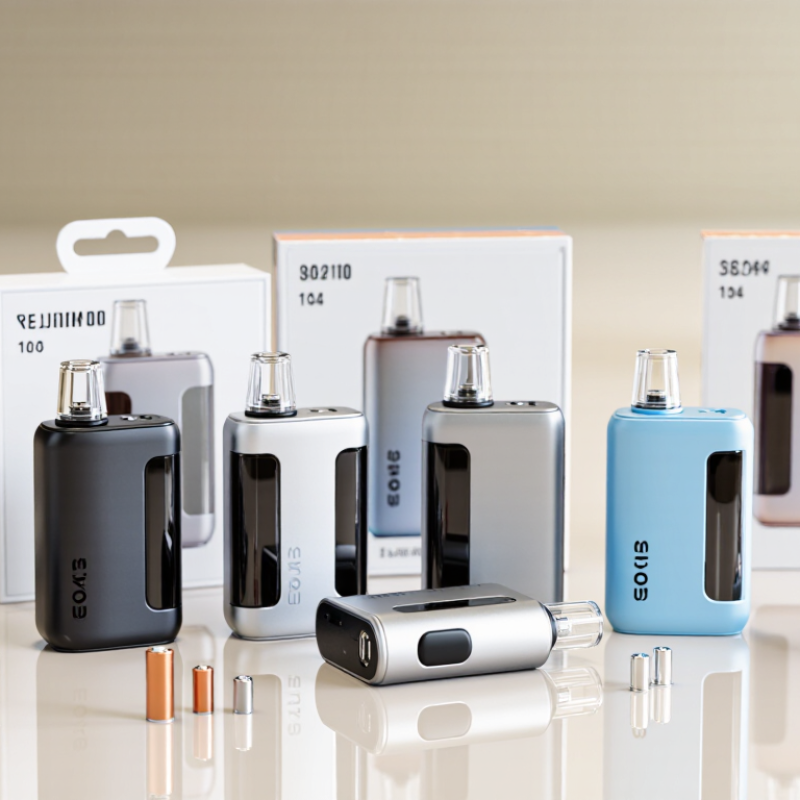
Before choosing a disposable vape in 2026, define when and why you would use it. If you do not currently use nicotine, the safest choice is not to start. Adults who already vape should check local age rules and purchase only from lawful, reputable retailers.
Think about your daily routine. Do you need a small device for short commutes, or longer capacity for occasional travel? A pocket-sized option may feel convenient, but it can be easier to misplace. Consider nicotine strength carefully, especially if you use it rarely. Higher strength is not automatically better. A smoother draw, familiar flavor, and simple design may matter more than a large puff estimate.
Puff counts are estimates, not promises. Usage, airflow, and storage temperature can change performance. I would also inspect the packaging for clear ingredients, batch details, safety instructions, and an intact seal. Avoid damaged devices, unusual odors, or products with unclear origins. Never leave one in a hot car or near children and pets. Disposal also deserves attention; these devices contain batteries and should follow local electronic-waste guidance. My own preference would be based on actual habits, not flashy specifications. It is easy to choose more capacity than necessary and create needless waste.
Choosing the best disposable vape in 2026 starts with the hand, not the advertisement. For legal-age adult users, device design affects comfort, control, and daily reliability. Look for a stable body, a clean mouthpiece, and an airflow opening that does not sit against your fingers. Small details matter. An independent 2024 ASH adult survey reported 7.2% current vaping among adults in Great Britain. That does not prove one design is safer or better.
Battery claims need skepticism. Manufacturers often publish puff counts, but real output changes with draw length, airflow, temperature, and storage. Check the stated capacity, battery protection information, and whether charging is permitted by the instructions. IEC 62133-2 and UN 38.3 are useful safety references for lithium-battery testing and transport. Certification claims should be verifiable. The 2024 Global State of Tobacco Harm Reduction report estimated 82 million vapers worldwide in 2021, highlighting a large, varied market.
Ease of use is more than a smooth first puff. Readable instructions, a clear status light, consistent draw activation, and sealed packaging reduce guesswork. Choose a model that feels predictable after several short draws. If it leaks, overheats, or behaves inconsistently, stop using it. Dispose of it through local battery or e-waste guidance, not household rubbish. I still find advertised simplicity imperfect; fewer buttons can also mean fewer warnings. That trade-off deserves thought.
Flavor should match your routine, not only your first impression. Fruit flavors can taste bright, while mint often feels cooler and cleaner. Dessert flavors may become tiring after several hours. Nicotine strength also deserves careful attention. Higher strengths can feel harsh and may deliver more nicotine than expected. Lower strengths may suit adults who use nicotine less frequently. Nicotine is addictive, so non-users should not start. Check local age and purchasing rules before making any decision.
Read the ingredient information carefully. A typical label may list nicotine, propylene glycol, vegetable glycerin, and flavorings. Look for clear amounts, sealed packaging, batch details, and an expiry date. Avoid products with missing information or exaggerated health claims. Some flavor descriptions sound attractive but reveal little about the actual ingredients. Taste comparisons are imperfect, and personal preference can change after repeated use. That is easy to overlook.
How to Choose the Best Disposable Vape in 2026?
Product quality should be verified before appearance or flavor. Choose sealed packaging with clear manufacturing details and a traceable batch number. The label should list ingredients, nicotine strength, quantity, and responsible-use warnings. Check whether an independent laboratory tested the device and whether those reports are accessible. Avoid products with leaking liquid, damaged seals, unclear printing, or loose mouthpieces. Small details matter.
Safety standards deserve careful attention. Look for overcharge, short-circuit, and overheating protection in the device information. The battery should remain enclosed and show no swelling, cracks, or unusual heat during normal use. A reliable product should provide storage and disposal guidance. Do not throw used devices into household fires or general recycling bins. Local collection rules differ. I would also check for public recall notices before buying.
Legal compliance depends on your location, not online comments. Confirm that the product is permitted for sale, meets local packaging rules, and comes from an authorized seller. Age restrictions and nicotine limits may apply. Import rules can be stricter than shop rules. No checklist is perfect. I might still overlook a missing document or outdated certificate, so official government sources deserve the final word. If the labeling feels deliberately vague, leave it on the shelf.
Verify Product Quality, Safety Standards, and Legal Compliance
The chart compares statutory maximum nicotine concentrations for consumer vaping products in selected markets. A lower or higher limit does not by itself indicate product quality; buyers should also verify accurate labeling, batch traceability, child-resistant packaging, leak resistance, and evidence of applicable electrical safety testing.
Reference sources: EU Tobacco Products Directive 2014/40/EU, Article 20; UK Tobacco and Related Products Regulations 2016; Canada Tobacco and Vaping Products Act and related regulations; New Zealand Smokefree Environments and Regulated Products Regulations 2021. Regulations may change, so confirm current requirements with the relevant national authority before purchase.
Choosing the best disposable vape in 2026 requires more than comparing the shelf price. A low-cost device may become expensive if its battery runs out early or its performance declines quickly. I compare the price per expected day of use, not just the advertised puff count. Those numbers can vary with inhalation length, storage, and temperature. My own comparisons are imperfect, but recording actual use gives a more realistic estimate.
Environmental impact deserves equal attention. Disposable vapes combine plastic, electronics, a battery, and leftover liquid in one small product. That mixture is difficult to process and should never enter household trash or standard recycling bins. Check your local waste authority for approved battery or electronic-waste collection points. Follow the disposal instructions provided with the product, where available.
Tips: Keep the device dry and away from heat. Do not open, crush, or burn it. Store used units in a cool container until a proper collection option is available. Ask whether a nearby retailer accepts used devices, but verify this service first. If no safe disposal route exists, reconsider buying a disposable format. Convenience matters, but it can hide a waste problem. I still find cost comparisons useful, though environmental fees and disposal effort are rarely shown at checkout.
| Evaluation Dimension | Reliable Data or Benchmark | How to Evaluate a Product | Cost and Environmental Impact | Responsible Action |
|---|---|---|---|---|
| Local legality | Rules differ by country, state, and territory. Some jurisdictions restrict or prohibit disposable vapes. | Confirm that sale, possession, and the stated nicotine strength are legal where you live. | An inexpensive product is not a good choice if it is illegal or cannot be properly handled after use. | Check the official government or local waste-authority website before buying. |
| E-liquid capacity | In the European Union, nicotine-containing disposable cartridges are limited to 2 mL under the Tobacco Products Directive. | Compare the labeled liquid volume, but treat very high puff claims cautiously because puff duration varies. | More liquid may reduce purchases per period, but it also increases the material and battery waste per device. | Avoid products with unclear or contradictory capacity information. |
| Nicotine concentration | The EU maximum nicotine concentration for consumer e-liquid is 20 mg/mL, equal to 2% by volume. | Select only a legally permitted strength and avoid assuming that a higher strength provides better value. | Nicotine is addictive; unnecessary nicotine can increase health and dependence risks. | Keep nicotine products away from children and pets. Do not use them if you do not already use nicotine. |
| Purchase cost | Retail prices vary by location, taxes, nicotine strength, and legal market conditions, so use the current local shelf price. | Record the price printed on the receipt or shelf label rather than relying on online advertisements. | The lowest unit price is not necessarily the lowest total cost if the device has poor consistency or short usable life. | Compare legal products sold by authorized retailers and keep purchase records when possible. |
| Cost per estimated use | Formula: cost per 100 puffs = purchase price ÷ stated puff count × 100. | Use the same calculation for every product, while remembering that puff-count claims are estimates. | A larger advertised puff count may lower the calculated cost, but it can also mean more battery, plastic, and electronic waste. | Do not extend use after burnt taste, leakage, damage, or abnormal heating. |
| Battery type | Disposable vapes commonly contain a small lithium-ion or lithium-polymer battery, even when the device cannot be recharged. | Do not choose a device with a swollen, punctured, leaking, or unusually hot battery. | Lithium batteries can cause fires when crushed or placed in recycling and rubbish machinery. | Never put a vape in household rubbish, a household recycling bin, or a fire. |
| Material efficiency | Each disposable unit generally combines a battery, circuit board, heating element, plastic or metal housing, and residual e-liquid. | Prefer a product with clear material and take-back information over one with vague environmental claims. | Single-use construction creates more discarded electronics per period than a durable, refillable system. | If reuse or refill is legal and suitable, compare its full life-cycle impacts rather than focusing only on packaging. |
| Packaging | Packaging may include cardboard, paper inserts, plastic film, and protective components. | Look for accurate recycling labels and packaging that is not excessive for the product size. | Packaging is usually easier to recycle than the vape itself, but local acceptance rules still apply. | Separate clean paper or cardboard only when your local program accepts those materials. |
| End-of-life route | A disposable vape is electronic waste and contains a battery; normal curbside recycling usually cannot process it safely. | Identify a vape take-back point, household hazardous-waste site, or e-waste facility before purchase. | A convenient return route reduces the chance of landfill disposal, litter, and battery-related fires. | Transport damaged or leaking devices only according to local waste-authority instructions. |
| Product information | A legitimate label should clearly state nicotine content, liquid volume, warnings, manufacturer or importer details, and batch information where required. | Reject products with missing labels, spelling irregularities, leaking packaging, or unverifiable compliance information. | Transparent information helps prevent unsafe products and reduces the risk of buying non-compliant waste. | Report suspected illegal or counterfeit products to the relevant trading-standards or health authority. |
| Overall decision | The best option is the legal product that meets the user’s needs with accurate labeling, reasonable cost, and a verified disposal pathway. | Score each product from 1 to 5 for legality, cost transparency, information quality, battery safety, and disposal access. | A lower environmental impact depends on fewer single-use units and correct battery recycling—not just recyclable packaging. | Adults who do not currently use nicotine should not start. People seeking to stop should consider evidence-based cessation support. |
| Data note: Legal limits and disposal services vary by jurisdiction. The 2 mL e-liquid and 20 mg/mL nicotine limits shown above apply to relevant consumer products in the European Union; they should not be treated as universal global limits. Always follow current local regulations and waste-authority guidance. | ||||
Choose a flavor that fits your routine, not only your first impression. Fruit can taste bright, while mint may feel cooler. Dessert flavors can become tiring after several hours. Personal taste may change.
Check the concentration in mg/mL, rather than relying on the product name. Higher strengths may feel harsh and deliver more nicotine than expected. Lower strengths may suit adults who use nicotine less often. Nicotine is addictive.
People who do not use nicotine should not start. Adults should check local age and purchasing rules. Nicotine use can create dependence. That risk is easy to underestimate.
Look for nicotine, propylene glycol, vegetable glycerin, and flavorings. The label should show clear amounts and warnings. Missing information deserves caution. Attractive flavor words reveal little by themselves.
Choose sealed packaging with manufacturing details and a traceable batch number. Check the ingredients, nicotine strength, quantity, and usage warnings. Avoid leaking liquid, damaged seals, loose mouthpieces, or unclear printing. Small details matter.
Look for overcharge, short-circuit, and overheating protection. The battery should remain enclosed without swelling or cracks. It should not become unusually hot during normal use. I might still miss a hidden defect.
Stop using it if dizziness, nausea, chest discomfort, or unusual irritation occurs. Do not continue testing it. Seek appropriate medical advice if symptoms persist or seem serious.
Keep devices away from children and pets. Never use damaged or leaking devices. Follow local collection rules for disposal. Do not place used devices in household fires or general recycling bins. Rules differ.
Check official local sources for sales permissions, packaging requirements, age restrictions, and nicotine limits. Import rules may be stricter than shop rules. Independent test reports should be accessible when claimed. Online comments are not enough.
Choosing the right device begins with understanding how to choose the best disposable vape for your personal needs and usage preferences. Consider how frequently you vape, whether you prefer a compact or ergonomic design, and how much battery capacity is appropriate for your routine. Ease of use is also important, so look for a straightforward device with reliable performance and a comfortable draw. Compare available flavor profiles, nicotine strengths, and ingredient information, always selecting options that are clearly labeled and suitable for your age and local regulations.
Product quality and safety should be priorities. Check for transparent manufacturing information, tamper-resistant packaging, consistent labeling, and evidence that the product meets applicable safety standards. It is also helpful to compare the cost per device and consider whether the product creates unnecessary waste. Since disposable vapes contain electronic components and batteries, follow local guidance for responsible disposal or recycling rather than placing them in regular household trash. Making a careful, informed choice supports safer use, legal compliance, and more responsible consumption.

Velour Vape