5 Tips on How to Fix a Clogged Disposable Vape?

Time:2026-09-07 Author:Amelia
0%

A clogged disposable vape can feel frustrating, especially when the device suddenly produces little vapor or no airflow. The mouthpiece may feel blocked, the draw may become tight, or a faint gurgling sound may appear. These signs often come from condensed liquid, debris, or poor storage conditions. Understanding how to fix a clogged disposable vape starts with identifying the problem safely.

This guide explains five practical checks for a partially blocked device. You will learn how to inspect the mouthpiece, clear visible residue, and improve airflow without forcing the device. Small details matter. A pocket lint strand can restrict the opening. Cold temperatures can also make the liquid thicker. Keep the device upright.

Safety comes first. Do not insert sharp objects, puncture the casing, apply strong heat, or attempt to recharge a non-rechargeable product. Stop using it if the device leaks, becomes unusually hot, smells burnt, or shows battery damage. Dispose of it according to local waste guidance. A perfect fix is not always possible. Some blockages indicate an internal fault, and replacing the device may be the most reliable choice. These suggestions reflect basic device-care practices, not a guarantee of repair. Read the manufacturer’s instructions before trying anything, and never ignore warning signs.
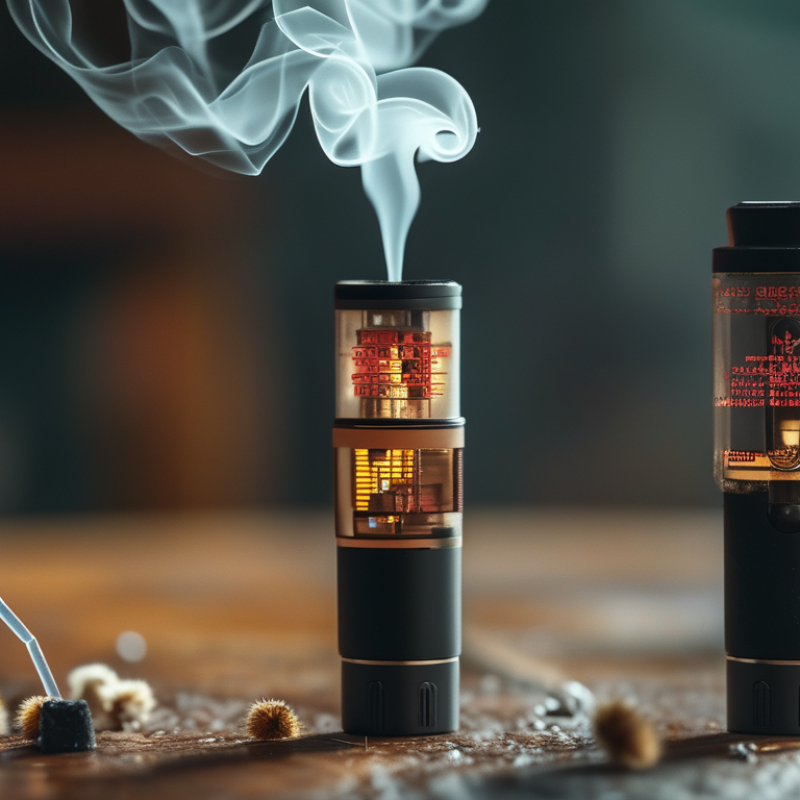
5 Tips on How to Fix a Clogged Disposable Vape?

Identify the Signs and Causes of a Clogged Disposable Vape

5 Tips on How to Fix a Clogged Disposable Vape

A clogged disposable vape often feels tight when you inhale. You may hear bubbling, notice weak vapor, or taste excess liquid. The mouthpiece can also show tiny droplets. These signs usually point to condensation, thickened liquid, dust, or repeated strong draws. Cold storage may make the liquid move more slowly. I once mistook a nearly empty device for a clog, so check the vapor level too.

Tip 1: Wipe the mouthpiece with a clean, dry tissue. Tip 2: Hold the device in your hand for several minutes. Gentle warmth may loosen thick liquid. Do not use a flame, heater, or boiling water. Tip 3: Keep the device upright and take slow, light puffs. Hard pulls can draw more liquid into the airway. This sounds minor, but it often makes the blockage worse.

Tip 4: Check the airflow openings for lint or dust. Clean around them gently without inserting pins or other sharp objects. Tip 5: If the device leaks, tastes burnt, becomes unusually hot, or remains blocked, stop using it. Do not puncture or open the casing. A disposable device is not designed for internal repair. Follow local disposal guidance, especially where batteries require separate handling. These steps are practical, though results can vary because some blockages come from internal manufacturing faults rather than user habits.

5 Tips on How to Fix a Clogged Disposable Vape

Identify the signs and common causes before attempting a gentle fix. Stop using the device if it becomes hot, leaks, or shows signs of battery damage.

How to read the chart: The scores represent practical troubleshooting priority on a 1–5 scale, not a brand-specific prevalence survey. Condensation, thick e-liquid, and mouthpiece debris are common areas to check first because they can restrict airflow and reduce vapor production.

Check the Mouthpiece and Airflow Path for Visible Blockages

A clogged disposable vape often starts at the mouthpiece. Inspect the opening under bright light. Look for lint, dried residue, or thickened liquid around the inner tube. Wipe the surface with a clean, dry cotton swab. Do not insert pins, needles, or other metal objects. They may damage the airway or battery housing.

Check the airflow holes along the base and sides. Hold the device gently and confirm that these openings are not covered by dust, stickers, or your fingers. A blocked path can create a tight draw, gurgling, or weak vapor. Avoid blowing forcefully into the device. That can push residue deeper. U.S. Fire Administration data recorded 195 electronic-cigarette fire and explosion incidents between 2009 and 2016, including 38 severe injuries. This supports careful handling around heat and damaged batteries. A disposable device is not designed for internal repair.

Stop using it if the mouthpiece stays blocked after cleaning, or if the device leaks, feels hot, smells burnt, or shows cracks. Place it away from metal objects and follow local battery-waste guidance. In practice, I have seen users clean only the tip and miss the small side vents. That mistake is easy to make. Sometimes, replacement is safer than another cleaning attempt.

Warm the Device Safely to Loosen Thickened Vape Liquid

A clogged disposable vape often produces weak airflow, bubbling sounds, or little vapor. Thickened vape liquid may be the cause, especially after storage in a cold room. Warm the device gently between your hands for five to ten minutes. Room-temperature warmth is enough. Do not use a flame, microwave, radiator, hair dryer, or direct sunlight. Excess heat can damage the battery, seals, or internal liquid chamber.

Keep the device upright while it warms. Wipe the mouthpiece with a clean, dry tissue, then take a gentle draw without forcing it. Avoid sharp objects, water, or attempts to open the sealed casing. Stop immediately if the device becomes hot, leaks, smells burnt, or shows swelling. A clogged disposable vape may have a blocked air path instead of thick liquid, so warming will not always solve the problem. That matters. I would not keep trying after two or three careful attempts. A damaged or persistently blocked device should be handled according to local disposal guidance. Read the product instructions when available, because construction and safety limits can differ. My own first instinct would be to apply more heat, but that is exactly the risky shortcut. Gentle warmth, patience, and clear warning signs are safer than forcing airflow.

Clear the Airway Without Puncturing or Opening the Device

5 Tips on How to Fix a Clogged Disposable Vape?

A blocked mouthpiece often comes from condensation, lint, or thick residue. Do not puncture, split, or open the device. A 2023 World Health Organization report warns that e-cigarette emissions can contain toxic substances, so “clearing” the airway should never create new exposure. Stop immediately if the device feels hot, leaks, or smells burnt.

Tip 1: Inspect the mouthpiece under a bright light. Wipe its surface with a dry cotton swab. Never push the swab deep inside.

Tip 2: Keep the device upright in your hand for several minutes. Gentle warmth may loosen condensation. Avoid hairdryers, heaters, sunlight, and hot water.

Tip 3: Take one soft, brief draw. Do not inhale forcefully. Hard pulling can move residue deeper and may irritate your throat.

Tip 4: Check the airflow openings for dust. Brush around them gently with a clean, dry tissue. Do not insert needles or pins.

Tip 5: If airflow remains blocked, stop using it. Dispose of the device through appropriate local waste channels. Do not charge a disposable unit unless its instructions specifically permit charging.

The U.S. Fire Administration documented 195 e-cigarette-related fire or explosion incidents between 2009 and 2016. That record supports a cautious approach. A slightly uneven draw is not always a clog. It may indicate battery damage, leakage, or internal failure. This is where many quick fixes become unsafe.

5 Tips on How to Fix a Clogged Disposable Vape? - Clear the Airway Without Puncturing or Opening the Device

Tip Common Sign Safe Action How to Do It Stop Using the Device If…
1. Check the mouthpiece Airflow feels blocked, or little vapor is produced. Remove visible lint, dust, or condensed liquid from the opening. Wipe the outside with a clean, dry tissue or cotton swab. Do not push anything deep into the airway. The mouthpiece is cracked, loose, or cannot be cleaned without inserting an object.
2. Keep the airflow holes clear The draw is unusually tight, especially after the device has been carried in a pocket or bag. Clear the exterior air inlets without damaging the casing. Remove any sticker, case, dust, or debris covering the small airflow openings. Never use a pin, needle, or other sharp tool. An airflow opening is damaged, blocked internally, or the device becomes hot.
3. Let condensation drain naturally A gurgling sound, popping noise, or small amount of liquid appears near the mouthpiece. Place the device upright and allow excess condensation to settle. Keep it upright on a dry surface for several minutes, then gently wipe the mouthpiece. Do not shake, squeeze, or blow forcefully into it. Liquid continues to leak, reaches the battery area, or enters your mouth.
4. Bring it to room temperature The device was stored in a cold or very warm location and the draw feels restricted. Allow the device to return naturally to normal indoor temperature. Place it away from direct sunlight, heaters, and hot vehicles for about 15–30 minutes. Do not heat it with a hair dryer or other external source. The casing is swollen, unusually hot, discolored, or producing an odor or smoke.
5. Stop if the blockage persists The device still will not draw after the exterior checks. Treat it as non-serviceable and arrange responsible disposal. Do not puncture, open, refill, recharge, or dismantle a disposable device. Follow local rules for lithium-battery or electronic-waste disposal. It leaks, overheats, sparks, smokes, has a damaged battery, or shows physical damage.
Safety note: A disposable vape contains a lithium-ion battery and is not designed for user repair. If it is hot, swollen, leaking, smoking, or damaged, move away from it, avoid contact with the liquid, and seek local hazardous-waste guidance. Do not place a damaged battery device in household recycling or regular trash.

Know When to Stop Troubleshooting and Replace the Vape

A clogged disposable vape can feel like drawing through a wet straw. Before giving up, check five simple points: airflow openings, mouthpiece debris, battery warmth, liquid movement, and draw pressure. Wipe the mouthpiece with a dry tissue. Keep the device upright for several minutes. Take one gentle, short puff. Do not use pins, heat, water, or tools to open it. Disposable units are sealed, and forcing them can damage the battery or expose liquid to skin.

Stop troubleshooting when the device leaks, tastes burnt, becomes unusually hot, crackles continuously, or shows swelling. A weak light or no response after charging, where charging is supported, also signals a likely failure. Do not keep pulling harder. That can worsen condensation and irritate your throat. My practical rule is simple: if two or three gentle checks fail, replace the device through an appropriate local disposal route. The small saving is not worth a damaged battery or unpleasant inhalation.

Replacement is especially important when the vape has been dropped, stored in a hot car, or left wet. A clog may actually be a flooded or damaged internal component. You may not identify the cause accurately at home. I have sometimes mistaken a tight draw for a blockage, only to find the airflow path was damaged. That mistake is easy to repeat. Choose a new, intact device from a lawful source, and follow its safety instructions. Keep unused and spent devices away from children and pets.

FAQS

: How can I tell if a disposable vape is clogged?

: Tight airflow, bubbling sounds, weak vapor, or excess liquid may indicate a blockage. Tiny droplets can appear inside the mouthpiece. Check the liquid level too. A nearly empty device can feel clogged.

What commonly causes a blockage?

Condensation, thickened liquid, dust, lint, and repeated forceful draws can restrict airflow. Cold storage may slow the liquid. Strong pulls can worsen the problem.

How should I clean the mouthpiece?

Wipe it gently with a clean, dry tissue. Remove visible droplets and residue. Do not pour water inside. Avoid pins, needles, or other sharp objects.

Can gentle warmth help thickened liquid?

Hold the device in your hand for five to ten minutes. Keep it upright at room temperature. Then try one slow, gentle draw.

What heat sources should I avoid?

Never use a flame, microwave, radiator, hair dryer, or boiling water. Direct sunlight is also unsuitable. Excess heat may damage the battery, seals, or liquid chamber.

How should I draw from a partially blocked device?

Keep the device upright and use light, slow puffs. Do not force the airflow. Hard pulls may move more liquid into the airway.

When should I stop using the device?

Stop if it leaks, tastes burnt, becomes unusually hot, smells burnt, or shows swelling. Stop after two or three careful attempts if it remains blocked. That limit matters.

Can I open or repair a disposable vape?

No. Do not puncture, disassemble, or modify the sealed casing. Internal faults may cause the blockage. Follow local disposal guidance, especially for battery handling. My first instinct might be more heat, but that shortcut is risky.

Conclusion

Learning how to fix a clogged disposable vape starts with recognizing the warning signs, such as difficult airflow, weak vapor, gurgling sounds, or liquid reaching the mouthpiece. Common causes include thickened e-liquid, condensation, or a small blockage in the mouthpiece and airflow path. Carefully inspect the exterior and wipe away any visible residue without inserting sharp objects or forcing anything into the device.

If the liquid has become too thick, gently warming the device in your hands or keeping it at room temperature may help loosen it. Avoid direct heat, flames, microwaves, or excessive pressure. You may also try a few gentle, controlled draws without repeatedly pulling hard. Never puncture, disassemble, or open a disposable device, as this can create safety risks. If airflow remains blocked, the device leaks, becomes unusually hot, or shows signs of damage, stop troubleshooting and replace it responsibly. Knowing when to stop is an essential part of safe use.

Amelia

Amelia

Amelia is a seasoned marketing professional with a wealth of expertise in our company’s core offerings. With an unwavering passion for driving growth and innovation, she plays a pivotal role in shaping our marketing strategies and enhancing brand visibility. A key aspect of her responsibilities......