A disposable vape may look like a small plastic tube, but it contains several working parts. The question “what is inside a disposable vape” deserves more than a quick glance at its flavor name. Most devices include a battery, heating coil, wick or ceramic material, airflow channel, sensor, and e-liquid reservoir. Some also contain a small circuit board that controls activation and charging limits.
The outer shell usually hides the liquid chamber and electrical components. A transparent section may show bubbles, darkened liquid, or a nearly empty reservoir. These details can offer clues, but they cannot confirm every ingredient. E-liquid commonly contains propylene glycol, vegetable glycerin, flavorings, and nicotine when declared. Formulas differ between manufacturers and countries. Some labels are incomplete. That matters.
Reliable checking begins with the package, not online rumors. Look for the manufacturer, batch number, nicotine concentration, ingredient list, and safety warnings. Independent laboratory reports provide stronger evidence than bright advertising or influencer claims. Health agencies and poison control services can also explain risks from leaking liquid or accidental contact. Do not open the device to investigate it. The battery may short, heat suddenly, or release irritating material.
A careful review should admit its limits. A label can be useful, yet it is not proof of perfect quality control. Testing methods may also differ. The most dependable answer combines visible design details, verified documentation, and cautious interpretation. This approach helps readers understand the device without guessing or encouraging unsafe handling.
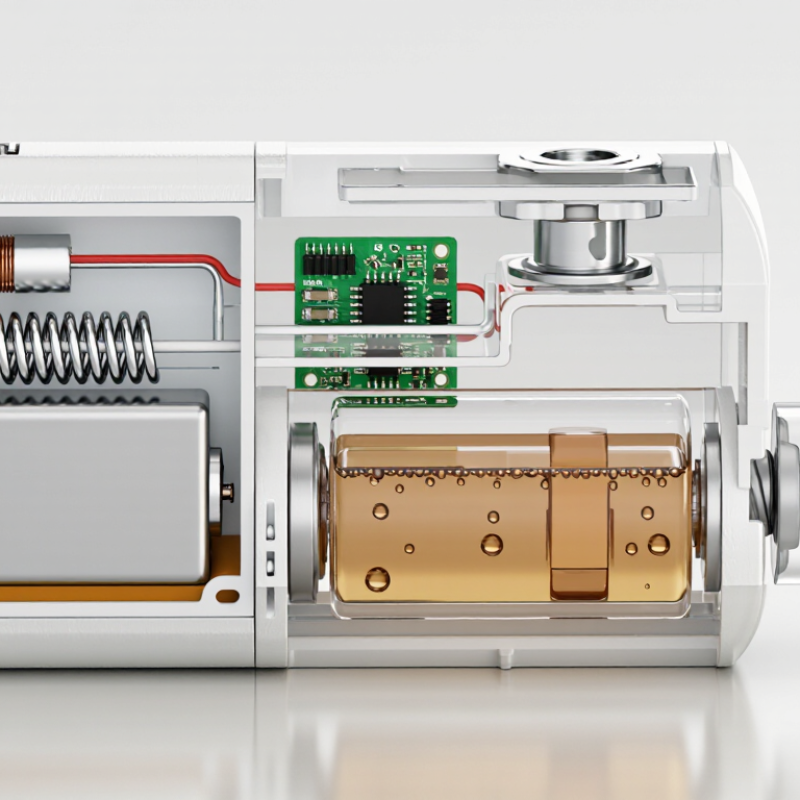
A disposable vape is a compact electronic device designed for limited use. Its outer shell usually contains a mouthpiece, liquid reservoir, heating coil, battery, airflow sensor, and small control board. These parts work together when you inhale. The sensor detects airflow, then sends power to the coil. The coil heats the liquid, and the resulting aerosol travels through the mouthpiece.
The liquid reservoir may contain nicotine, flavoring, and carrier ingredients, depending on the product and local regulations. You cannot reliably identify its contents by color or smell. Packaging information is more trustworthy, but labels can still be incomplete or misunderstood. I once assumed a smaller device had fewer internal parts. That assumption was wrong. Some compact designs include additional seals, wiring, and safety controls. Do not open the casing. The battery can be damaged easily.
Tips: Check the ingredient and nicotine information before use. Avoid devices with leaking liquid, cracked shells, unusual heat, or burnt odors. Stop using one if it behaves strangely. Never puncture, crush, or burn a disposable vape. Follow local guidance for battery and electronic-waste disposal. If the label is unclear, ask a qualified retailer or health professional. That extra question may prevent a poor guess.
| Part or Material | What It Does | What It Commonly Contains or Is Made From | Typical Specifications or Characteristics | How It Fits Into the Device | What Users Can Check |
|---|---|---|---|---|---|
| Outer Shell | Protects the internal components and provides the device's shape. | Usually plastic, aluminum, or a combination of plastic and metal. | Designed to be lightweight and sealed; the shell may contain printed safety, nicotine, or disposal information. | Surrounds the battery, circuit board, air channel, and liquid reservoir. | Look for cracks, swelling, leakage, loose panels, overheating, or missing safety information. Do not use a damaged device. |
| Mouthpiece | Provides the opening through which aerosol is inhaled. | Commonly molded plastic or another heat-resistant polymer. | Usually fixed in place on a disposable device and connected to the central vapor pathway. | Located at the top of the device and aligned with the air outlet. | Check that it is not blocked, cracked, loose, or contaminated. Do not insert objects into the opening. |
| E-Liquid Reservoir | Stores the liquid that is converted into aerosol. | Typically contains a liquid base of propylene glycol (PG), vegetable glycerin (VG), flavorings, and often nicotine. | Capacity varies by product and local regulation; many small disposable devices contain roughly 1.5–2 mL, while some larger formats contain more where permitted. | Feeds liquid to the wick and heating coil through a saturated absorbent material. | Inspect for visible leakage, unusually dark liquid, or a burnt smell. The reservoir is often not designed to be opened or refilled. |
| Nicotine Solution | Provides the nicotine delivered in the aerosol when nicotine is included. | Nicotine dissolved in the PG/VG liquid base; some products use freebase nicotine and others use nicotine salts. | Strength is normally stated in mg/mL or as a percentage. Actual delivery depends on concentration, device output, puff duration, and user behavior. | Mixed into the e-liquid rather than stored as a separate compartment. | Read the package label and nicotine warning. Do not assume a product is nicotine-free unless the labeling and testing support that claim. |
| Propylene Glycol (PG) | Acts as a liquid carrier and helps transport flavor; it can produce a stronger throat sensation than VG. | A clear, low-viscosity food and pharmaceutical ingredient used in many e-liquids. | Usually thinner than VG and often blended with VG in different proportions. | Moves through the wick toward the heating coil. | PG content is not always listed as a separate percentage, so consult the product information when available. |
| Vegetable Glycerin (VG) | Contributes body and visible aerosol production. | A clear, more viscous liquid commonly derived from plant oils. | Thicker than PG; higher-VG liquids generally require a wick and coil designed for greater viscosity. | Blended into the e-liquid and absorbed by the wick. | Check the ingredient list if available. A thick or sweet-smelling liquid may still contain nicotine and should not be handled casually. |
| Flavoring Ingredients | Provide the taste and aroma of the aerosol. | May include multiple food-grade or specialty flavoring chemicals; “food-grade” does not mean proven safe to inhale. | The exact ingredients and amounts vary widely and may not all be listed on the exterior package. | Dissolved in the e-liquid and carried to the coil. | Use the ingredient information or laboratory disclosure when available. Flavor descriptions alone do not identify the chemicals used. |
| Wick | Absorbs e-liquid and delivers it to the heating coil. | Often cotton, silica, ceramic, or another porous wick material. | Must remain saturated during use; a dry wick can produce a harsh or burnt taste. | Runs between the reservoir and the heating coil. | A persistent burnt taste, reduced vapor, or dry hits can indicate that the wick is no longer adequately saturated. |
| Heating Coil | Converts electrical energy into heat, vaporizing e-liquid at the wick. | Usually a resistive metal wire or mesh, such as a metal alloy selected for electrical and thermal behavior. | Coil resistance commonly falls within a low-ohm range, but the exact value varies by design and is rarely printed on a disposable device. | Wrapped around or integrated with the wick and connected to the battery circuit. | It is not normally user-replaceable. A burnt taste, overheating, or no vapor may indicate coil or liquid-delivery failure. |
| Airflow Path | Moves air through the device and carries aerosol from the coil to the mouthpiece. | An internal plastic or metal channel with one or more small air inlets. | Airflow is often draw-activated and may be fixed rather than adjustable. | Connects the air inlet, heating chamber, and mouthpiece. | Keep air inlets clear. Do not cover them completely, and stop using the device if liquid enters the mouth or airflow path. |
| Lithium-Ion Battery | Supplies electrical energy to heat the coil. | A rechargeable or single-use lithium-ion cell, depending on the device design. | Common nominal voltage is about 3.6–3.7 V; capacity varies considerably, often from a few hundred mAh to over 1,000 mAh. | Connected to the control circuit and heating coil inside the shell. | Do not crush, puncture, disassemble, expose to high heat, or place in household trash. Stop using a device that becomes unusually hot, swells, leaks, or emits an odor. |
| Air-Draw Sensor | Detects inhalation and activates the heating circuit on draw-activated models. | Usually a pressure, airflow, or microphone-style electronic sensor. | Allows the device to operate without a conventional push button. | Positioned near the airflow channel and connected to the control board. | Unexpected activation, continued heating after a puff, or activation while not being used is a reason to stop using the device. |
| Control Circuit Board | Manages power delivery and may provide protection against unsafe operating conditions. | A small printed circuit board containing electronic control and protection components. | May regulate current, limit firing time, and protect against short circuits, over-discharge, or excessive temperature, but protection features differ by device. | Located between the battery, sensor, and heating coil. | Do not rely on unknown or unverified protection circuitry. Never modify the electronics or bypass safety components. |
| Indicator Light or Display | Shows activation, charging status, or a low-battery condition when included. | Usually a small LED; some larger disposable formats include a simple display. | Color codes and meanings are not standardized across all devices. | Connected to the control board and visible through an opening in the shell. | Use the accompanying instructions for the specific device. A flashing light may indicate low power, a fault, or the end of the usable liquid supply. |
| Charging Port | Allows certain disposable devices to recharge the internal battery. | Commonly a small USB-compatible port when charging is supported. | Some disposable devices are non-rechargeable; a charging port does not mean the e-liquid reservoir is refillable. | Connected to the battery-management circuit. | Use only the specified charging method. Do not charge a device that is wet, damaged, swollen, or excessively hot, and do not leave it charging unattended. |
| Seals and Insulators | Help prevent liquid leakage and keep electrical contacts separated. | Rubber or silicone seals, insulating films, gaskets, and polymer spacers. | Small components can degrade with heat, impact, or prolonged storage. | Placed around the reservoir, battery terminals, coil assembly, and airflow connections. | Visible liquid around seams or electrical areas suggests a damaged seal. Avoid skin and eye contact with leaked e-liquid. |
| Puff Count | Provides an estimate of how many inhalations the device may deliver. | Not a physical component; it is an estimate based on liquid volume, battery capacity, airflow, and test-puff conditions. | Actual use varies with puff length, frequency, airflow, coil power, and when the user stops because of taste or reduced performance. | Depends on the combined capacity of the e-liquid reservoir and battery. | Treat the printed count as an estimate rather than a guaranteed number. It does not directly reveal nicotine exposure. |
Important: Disposable vape construction and ingredient disclosure vary by product and jurisdiction. Do not open, refill, puncture, or modify a disposable vape. Keep e-liquid and nicotine-containing products away from children and animals, and dispose of the device through an appropriate battery or electronic-waste collection service.
Common parts include a mouthpiece, liquid reservoir, wick, heating coil, battery, airflow sensor, and control board. It is not just a liquid tube.
Inhaling moves air through the device. The sensor activates the battery, which powers the coil. The heated liquid becomes an aerosol.
It may contain nicotine, flavoring, propylene glycol, vegetable glycerin, and other carrier ingredients. Contents vary by product and local requirements.
No. Color and smell are unreliable clues. Packaging provides better information, but labels can still be incomplete or confusing.
Look for leaking liquid, cracks, swelling, unusual heat, or a burnt odor. Stop using it immediately. Strange behavior matters.
Internal liquid may irritate skin and eyes. Cutting or crushing the battery can cause sparks, fire, or other injuries.
Wash the area with soap and water. Seek medical advice after swallowing liquid or developing serious symptoms.
Use a local electronic-waste or household hazardous-waste collection point. Do not place it in regular rubbish or household recycling.
Keep it separate in a cool, dry, non-metal container. Never puncture, burn, recharge, or dismantle it. Disposal advice can be unclear.
Understanding what is inside a disposable vape begins with its basic design: a battery powers a small heating element, which vaporizes e-liquid held in an internal reservoir or pod. Other parts may include an airflow channel, sensors, wiring, insulation, and a control circuit that manages activation and power. Together, these components create a compact, sealed device intended for limited use.
To identify e-liquid ingredients and nicotine strength, check the product label, packaging, or manufacturer-provided information rather than relying on appearance. Without opening the device, you can inspect its exterior for ingredient details, warning statements, liquid windows, charging indicators, and signs of leakage or damage. Do not puncture, dismantle, or heat a disposable vape, since doing so can expose you to liquid, sharp parts, or battery hazards. When the device is empty, damaged, or no longer functioning, keep it away from children and heat, and dispose of it through an appropriate battery or electronic-waste collection service.

 Velour Vape