Disposable vapes can look small, clean, and harmless. They are not risk-free. The question “is it safe to use disposable vapes daily” requires more than a simple yes or no.
Nicotine can create dependence, even when each puff feels mild. Daily use may expose the lungs to nicotine, ultrafine particles, flavoring chemicals, and metals. The World Health Organization reports that e-cigarette emissions can contain toxic substances, although long-term health effects remain uncertain. Uncertain does not mean safe.
The CDC’s 2024 National Youth Tobacco Survey recorded about 1.63 million American middle and high school students using e-cigarettes. Among current users, 26.3% reported daily use. That detail matters. A disposable vape may fit inside a pocket, but repeated use can continue from morning coffee to bedtime.
Dr. Brian King, former director of the FDA’s Center for Tobacco Products, stated, “No tobacco products, including e-cigarettes, are safe.” His warning applies particularly to young people, pregnant individuals, and non-smokers. The National Academies also found substantial evidence that e-cigarette use causes dependence and can affect respiratory health.
There is one important complication. For adults who already smoke cigarettes, switching completely to vaping may reduce exposure to some toxic chemicals. Using both products does not provide the same potential benefit. It may increase total exposure.
The evidence is still developing. That is uncomfortable. Still, current data do not support calling daily disposable-vape use safe. This guide examines ten practical facts, including nicotine strength, puff frequency, lung symptoms, battery risks, and signs of dependence.
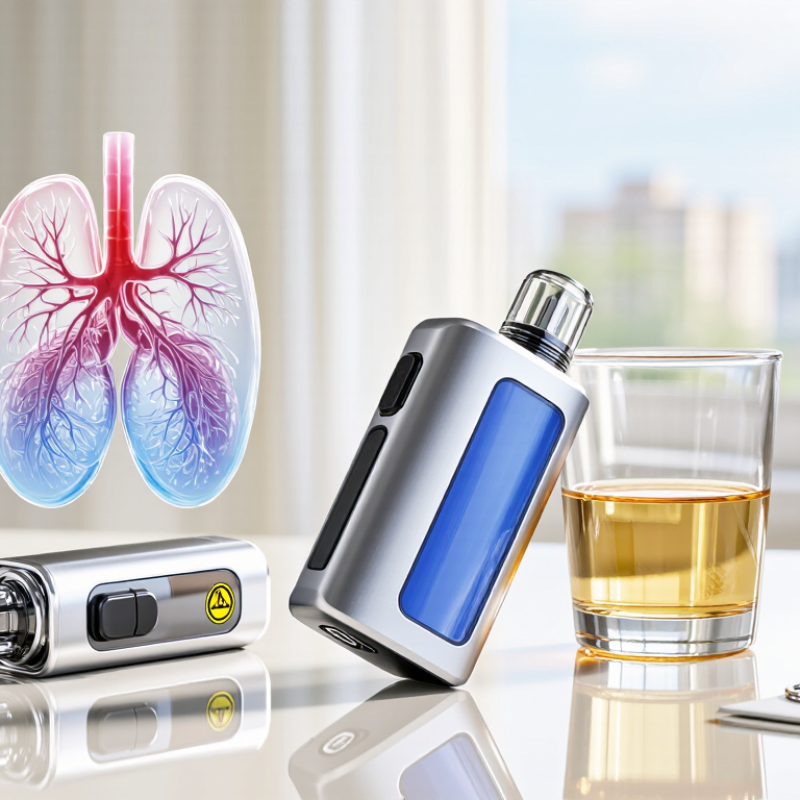
Daily use means repeated nicotine exposure, not occasional experimentation. Nicotine can create cravings, irritability, and difficulty concentrating between sessions. The 2023 National Youth Tobacco Survey reported that 25.2% of current student e-cigarette users vaped daily. This finding concerns adolescents, but it shows how quickly regular use can become routine. The device may feel small. Its dependence potential is not.
The National Academies’ 2018 report found that e-cigarette aerosol generally contains fewer toxic substances than cigarette smoke. However, it is not harmless. Aerosol can contain nicotine, ultrafine particles, flavoring chemicals, and metals. Research on long-term daily exposure remains incomplete. That uncertainty matters. A dry throat, persistent cough, chest discomfort, or reduced exercise tolerance should not be dismissed as normal. Medical advice is more reliable than online reassurance.
Disposable products also create a practical waste problem. Material Focus reported in 2023 that about five million disposable vapes were discarded weekly in the United Kingdom. Batteries and plastics often require separate recycling systems. Daily use can therefore affect the user and the waste stream. For adults who completely replace smoking, exposure to combustion toxins may decrease. Using both products can reduce that potential benefit. I would not call daily vaping safe, and I would not pretend every risk is fully measured yet.
A disposable vape heats e-liquid through a small metal coil. The liquid usually contains nicotine, propylene glycol, vegetable glycerin, and flavoring chemicals. The coil creates an aerosol, not harmless water vapor. Tiny particles can travel deep into the lungs, while nicotine crosses into the bloodstream.
Nicotine salts may allow higher nicotine levels with less throat irritation. That smoother feeling can make repeated inhalation easier to overlook. Device power, liquid strength, puff duration, and personal habits all change nicotine delivery. The National Academies of Sciences, Engineering, and Medicine reported that e-cigarette aerosol generally contains fewer toxic substances than cigarette smoke, but it is not risk-free. Long-term health effects remain incomplete and uncertain.
Daily use matters.
The World Health Organization states that e-cigarette emissions can contain nicotine, ultrafine particles, metals, and other potentially harmful substances. In the 2023 National Youth Tobacco Survey, 26.3% of current student e-cigarette users reported daily use. That figure reflects young users, not every adult, but it shows how quickly frequent use can become routine. A person may notice the habit through constant pocket checks, morning cravings, or irritability between sessions. I should be careful here: aerosol exposure varies widely, and laboratory measurements cannot perfectly reproduce real-world puffing.
“Safer than smoking” does not mean safe for daily use.
Using disposable vapes every day is not considered safe. Most contain nicotine, a highly addictive substance that can change reward pathways in the brain. Cravings may appear between work, meals, or bedtime. Some users also develop irritability, poor concentration, or sleep problems when nicotine levels fall. Daily aerosol can irritate the throat and airways. Coughing, chest tightness, and shortness of breath may follow. The aerosol is not harmless water vapor. It can contain ultrafine particles, flavoring chemicals, and metals released from heating components.
Heart and blood vessel effects also deserve attention. Nicotine may raise heart rate and blood pressure temporarily. Frequent exposure could add stress for people with existing cardiovascular conditions. Research on long-term vaping remains incomplete, but limited evidence does not mean no risk. That distinction is important. A safer comparison may exist for adults who completely replace combustible tobacco, yet vaping still carries health concerns. Using both products may preserve, rather than reduce, exposure.
Pregnant people, teenagers, and people with asthma should be especially cautious. Nicotine can affect fetal development and the developing adolescent brain. Sweet flavors may also make repeated use feel routine, even when dependence is growing. Stopping can be difficult, and relapse is common. A healthcare professional can assess symptoms, nicotine dependence, and suitable quitting support. Personal experience can feel reassuring, but it cannot measure hidden airway or cardiovascular effects.
The honest answer is uncomfortable: daily use has real risks, while some long-term effects are still being studied.
Top 10 Facts: Is It Safe to Use Disposable Vapes Daily?
Daily disposable vape use can signal nicotine dependence, not simple habit. The Centers for Disease Control and Prevention reported 2.13 million U.S. middle and high school students used e-cigarettes in 2023. Among current users, 25.2% reported daily use. This pattern matters because repeated nicotine exposure can strengthen cravings and tolerance. The National Academies of Sciences, Engineering, and Medicine also found that e-cigarettes commonly deliver nicotine, although amounts vary by device and use.
Watch for practical warning signs. You may feel restless when the device is unavailable. You might vape soon after waking, use more than planned, or struggle to stop for one day. Irritability, poor concentration, and headaches can appear during withdrawal. Frequent nausea, dizziness, shakiness, a racing heartbeat, or vomiting may indicate excessive nicotine exposure. Seek urgent medical help if symptoms are severe or persistent.
Dependence is easy to underestimate. A person may still work, study, or exercise while nicotine use quietly expands. Device strength, puff frequency, and deeper inhalation can change daily exposure. Evidence about long-term disposable vape effects remains incomplete, and that uncertainty deserves honesty. Tracking each session for one week can reveal hidden patterns, though self-monitoring is not a diagnosis. A healthcare professional can assess dependence and discuss evidence-based support, especially when cravings disrupt sleep, finances, or relationships.
| # | Data Dimension | Evidence-Based Fact | What Daily Users May Notice | Practical Safety Step |
|---|---|---|---|---|
| 1 | Overall safety | Daily use of disposable vapes is not risk-free. | The aerosol may contain nicotine, ultrafine particles, flavoring chemicals, and other substances that can irritate the respiratory system. | Do not treat vaping as harmless. Avoid starting, and consider reducing or stopping use. |
| 2 | Nicotine dependence | Nicotine can cause dependence, especially when exposure is repeated throughout the day. | You may feel strong urges to vape, think about vaping frequently, or find it difficult to stop even when you want to. | Track when and why you vape, then discuss a quit plan with a healthcare professional. |
| 3 | Tolerance | Needing more frequent or longer vaping sessions can indicate increasing tolerance. | The same amount no longer feels satisfying, or you begin using soon after waking and continue at regular intervals. | Set a clear reduction or quit date and remove vaping devices and spare supplies. |
| 4 | Withdrawal | Stopping or delaying nicotine can produce withdrawal symptoms. | Common symptoms include irritability, anxiety, restlessness, difficulty concentrating, low mood, sleep changes, and increased appetite. | Expect symptoms to be temporary and seek evidence-based cessation support rather than returning to heavier use. |
| 5 | Loss of control | Using more than intended is a recognized warning sign of problematic nicotine use. | You may promise to take only a few puffs but continue vaping, carry a backup device, or feel distressed when supplies run out. | Record daily use and identify situations that trigger automatic vaping, such as driving, stress, or alcohol. |
| 6 | Physical effects | Vaping can be associated with throat irritation, coughing, dry mouth, headache, dizziness, nausea, or a fast heartbeat. | These effects may be more noticeable after frequent use or when nicotine exposure is high. | Stop using and seek medical advice if symptoms are persistent, severe, or worsening. |
| 7 | Possible overuse | Too much nicotine over a short period can cause acute nicotine poisoning. | Warning symptoms can include nausea, vomiting, abdominal pain, dizziness, sweating, tremor, confusion, or a markedly abnormal heartbeat. | Stop exposure and contact local poison-control or emergency services if serious symptoms occur, especially breathing problems, seizures, or loss of consciousness. |
| 8 | Respiratory health | Vape aerosol is not the same as clean air and may irritate the lungs and airways. | New or worsening cough, wheezing, chest pain, or shortness of breath should not be ignored. | Seek prompt medical care for chest pain, significant breathing difficulty, or rapidly worsening respiratory symptoms. |
| 9 | High-risk groups | Nicotine is particularly concerning for adolescents, young adults, and people who are pregnant. | Nicotine can affect the developing brain, and exposure during pregnancy can harm fetal development. | Young people and pregnant individuals should avoid nicotine vaping and consult a healthcare professional for support. |
| 10 | Quitting and switching | For adults who smoke cigarettes, completely switching away from combustible tobacco may reduce exposure to many harmful chemicals, but dual use does not eliminate risk. | Using cigarettes and disposable vapes together can maintain nicotine dependence and continued exposure to tobacco smoke. | Aim for complete cessation of tobacco and nicotine when possible, using counseling and approved cessation treatments with professional guidance. |
Daily use of disposable vapes is not harmless. Most contain nicotine, which can create dependence and affect sleep, mood, and concentration. For adults who already smoke cigarettes, switching completely may reduce exposure to some harmful chemicals. Using both products, however, can keep health risks high.
A safer choice is not starting. If you vape daily, check the label and choose products from lawful, regulated sources. Avoid unknown liquids or modified devices. Do not share a device. Pregnant people, teenagers, and non-smokers should avoid nicotine completely. A healthcare professional can help select approved nicotine-replacement options, such as patches or gum, when quitting feels difficult.
Make reduction practical. Record when you reach for the vape: after coffee, during stress, or while commuting. Delay each use by ten minutes. Create vape-free spaces, such as your bedroom or car. Keep the device out of sight, and carry water or sugar-free gum instead. Reduce gradually if sudden stopping causes strong cravings. A doctor or pharmacist can help plan this safely.
Expect imperfect days. A stressful afternoon may undo part of your plan. That does not erase your progress. Notice the trigger, adjust the next step, and continue. Seek medical advice for chest pain, severe breathlessness, fainting, or persistent coughing.
A small metal coil heats e-liquid inside the device. The liquid becomes an aerosol, not harmless water vapor. Nicotine can enter the bloodstream through the lungs. Delivery changes with liquid strength, puff length, and device power.
No daily use is risk-free. The aerosol may contain nicotine, ultrafine particles, metals, and other substances. It can reach deep into the lungs. Long-term effects remain uncertain. That uncertainty matters.
Yes, repeated exposure can strengthen cravings and tolerance. You may check your pocket constantly for the device. Morning cravings are another warning sign. Dependence can grow quietly.
Nausea, dizziness, shakiness, headaches, or a racing heartbeat may occur. Vomiting can signal excessive exposure. Severe or persistent symptoms need urgent medical help. Do not simply wait it out.
Irritability, poor concentration, and restlessness may appear without nicotine. Cravings can become stronger during stressful moments. Sleep may also feel disrupted. Symptoms vary between people.
Some evidence suggests vaping exposes smokers to fewer toxic substances than cigarette smoke. That does not make vaping safe. Using both products may preserve substantial health risks. Switching completely may reduce exposure for adults who already smoke.
Record each session for one week. Notice triggers, such as coffee, commuting, or stress. Delay each use by ten minutes. Try water or sugar-free gum instead. Progress may be uneven.
Ask a healthcare professional when cravings disrupt sleep, finances, or relationships. A doctor or pharmacist can discuss nicotine-replacement options. Seek urgent care for chest pain, fainting, severe breathlessness, or persistent coughing. One difficult afternoon does not erase progress.
Daily use of disposable vapes means regularly inhaling nicotine-containing aerosol throughout the day, which can make vaping a routine rather than an occasional choice. These devices heat a liquid into an aerosol that may contain nicotine, flavoring substances, and other chemicals. Although the aerosol is not the same as traditional cigarette smoke, frequent exposure can still irritate the lungs and throat and may affect the heart and nervous system. Therefore, the question “is it safe to use disposable vapes daily” should be considered carefully, especially by people who do not already use nicotine.
Warning signs of dependence or overuse may include strong cravings, difficulty stopping, irritability when reducing use, and vaping soon after waking. Safer steps include tracking daily consumption, delaying the first use, reducing access, and seeking support from a healthcare professional. Switching to non-inhaled nicotine-reduction options under professional guidance may also help. Gradual reduction or quitting can lower exposure and support better long-term health.

Velour Vape