As the popularity of disposable vapes continues to rise, many users wonder, "can you refill a disposable vape?" This question has sparked discussions among vaping enthusiasts and curious users alike. With the rapid evolution of vaping technology, understanding the nuances of disposable vapes is crucial. Are they truly meant for single use, or can they be reused with some modifications?
In 2026, the market landscape for vaping is expected to shift. New products and innovations might redefine our approach to disposable devices. However, the question remains: can you effectively refill a disposable vape without risking damage or compromising flavor? Some users attempt to refill these devices, yet results vary significantly.
There is limited reliable information on this practice. Many users share their experiences online, but not all are trustworthy. It's essential to navigate this topic thoughtfully. Should you regard a disposable vape as a single-use item, or does the potential for refilling add value? As we explore these questions, it’s important to consider both the technical aspects and user experiences that shape our understanding of disposable vaping.
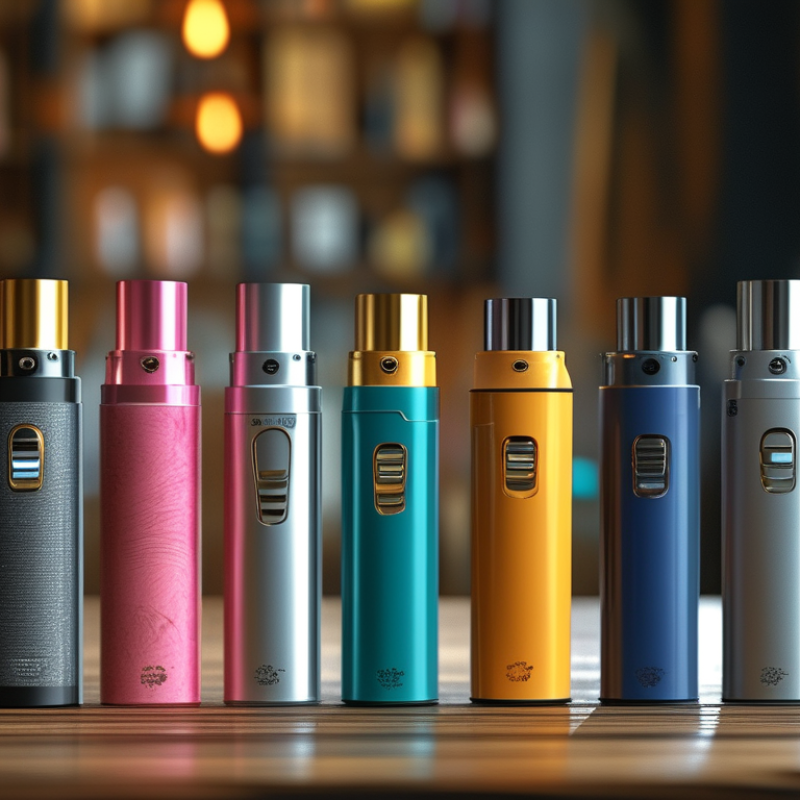
Disposable vapes have become increasingly popular due to their convenience and user-friendly design. Understanding their structure is essential in discussing their refillability. Typically, a disposable vape consists of a battery, a cartridge filled with e-liquid, and an atomizer. This compact assembly allows users to easily inhale without the complexities of traditional vaping devices.
According to industry reports, nearly 60% of users choose disposable vapes for their simplicity. However, the mechanics mean that they often cannot be refilled. The cartridges are sealed and designed for single use only. Trying to refill these devices can lead to leaks or other issues, rendering them unusable. Moreover, some users report dissatisfaction with the flavor remaining after the first use. This can often stem from the material used in the cartridge and its inability to hold up against mixed e-liquids.
For those considering alternatives, understanding the components is vital. Opt for devices that allow refillability if you're looking for personalized experiences. Always prioritize safety and ensure that any device used meets industry standards. Many reports suggest that proper maintenance of refillable devices leads to better performance and longevity. Exploring these options can lead to a more satisfying vaping experience, encouraging you to be mindful of your choices as you navigate this evolving market.
| Feature | Description | Current Trends (2026) |
|---|---|---|
| Refillable Capability | Many disposable vapes are designed to be non-refillable, but some models allow refilling. | An increasing number of disposable vapes being designed for refilling as sustainability becomes a priority. |
| Battery Life | Typically equipped with a single-use battery that lasts the lifespan of the vape. | Advancements in battery technology are leading to longer-lasting disposable models. |
| Nicotine Options | Available in various nicotine levels, catering to different user preferences. | More options for low-nicotine and nicotine-free alternatives becoming available. |
| Materials | Generally made from plastic and metals; limited recyclability. | Shift towards eco-friendly materials and recycling programs for disposables. |
| Flavor Options | Wide variety of flavors from fruity to traditional tobacco. | New exotic flavors emerging, but with a focus on regulatory compliance. |
: Over 70% of vape users now prefer refillable devices.
Refilling a vape can save nearly 30% on costs compared to disposable options.
Users report difficulties in refilling, leaks, and inconsistent performance as common issues.
Concerns about maintenance and complexity make some users hesitant to switch.
Disposable vapes generate large amounts of plastic waste and contribute significantly to pollution.
Refilling disposable vapes may be considered tampering in some jurisdictions, which can have penalties.
Understanding local laws is crucial as many users are confused about their rights regarding refills.
Choosing refillable options and being aware of maintenance can lead to better environmental practices.
Users often lack education on maintenance and usage, leading to poor decisions.
Staying informed helps communities navigate legal changes and make eco-friendly choices.
The article titled "Can You Refill a Disposable Vape in 2026" explores the evolving landscape of vaping devices, particularly focusing on disposable vapes. While discussing the structure and mechanics of these devices, it highlights the increasing trend towards refillable options as users seek more sustainable alternatives in 2026. The piece examines the legal considerations that may influence the refilling of disposable vapes, alongside the environmental impacts associated with both disposable and refillable versions.
Furthermore, the user experience is analyzed to outline the benefits and drawbacks of refilling vapes. Ultimately, the question “can you refill a disposable vape” is approached from multiple angles, suggesting that while it may be technically feasible in some cases, various factors must be considered before making the switch.

 Velour Vape